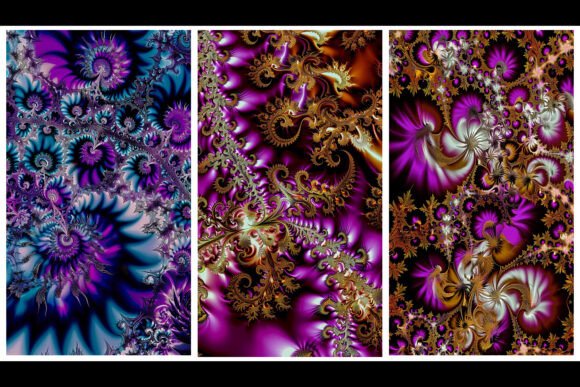
Elegant Illustration Decorative Art Art: A Guide to Enhancing Your Space with Style
Elegant Illustration Decorative Art Art is a unique form of visual expression that blends artistic creativity with practical design. It involves the use of intricate illustrations and artistic elements to enhance the aesthetic appeal of spaces, whether in homes, offices, or public areas. This type of art is not only visually appealing but also serves as a powerful tool for personal expression and environmental enhancement.
What Makes Elegant Illustration Decorative Art Art Unique?
Elegant Illustration Decorative Art Art stands out due to its attention to detail and the way it integrates seamlessly into various environments. Unlike traditional art forms, this style often incorporates elements that are both functional and decorative. For instance, an illustration might be used as a wall mural, a piece of furniture, or even a digital backdrop for a presentation.
The key to this art form lies in its ability to evoke emotions and create a sense of harmony within a space. Whether you're looking to add a touch of sophistication to your living room or make a statement in your office, Elegant Illustration Decorative Art Art offers endless possibilities.
Common Mistakes When Choosing Elegant Illustration Decorative Art Art
While the allure of Elegant Illustration Decorative Art Art is undeniable, there are several common mistakes that people make when selecting and using this type of art. One of the most frequent errors is not considering the overall theme of the space. For example, choosing an illustration that is too bold or colorful for a minimalist environment can clash with the existing decor, leading to a jarring visual experience.
Another mistake is overlooking the scale of the artwork. An illustration that is too large for a small room can overwhelm the space, while one that is too small may go unnoticed. It's essential to measure the area where the art will be placed and consider how the size of the illustration will affect the overall look and feel of the room.
Understanding the Importance of Quality
When it comes to Elegant Illustration Decorative Art Art, quality plays a significant role in the final outcome. Many people opt for cheaper options, only to find that the illustrations lack the detail and craftsmanship that make this art form special. Poor-quality prints can fade quickly, lose their vibrancy, or even peel off the surface, leading to disappointment and additional costs in the long run.
To avoid this, it's crucial to invest in high-quality materials and professional printing techniques. Look for artists or suppliers who specialize in this type of art and have a proven track record of delivering exceptional results. Reading reviews and asking for samples can also help you make an informed decision.
How to Avoid Common Pitfalls
One effective way to avoid the common mistakes associated with Elegant Illustration Decorative Art Art is to take the time to research and plan. Start by identifying the specific needs and goals for the space you want to decorate. Are you looking to create a focal point, add color, or make a statement? Understanding your objectives will guide your choices and help you select the right illustrations.
Another practical tip is to seek inspiration from various sources. Explore online galleries, art exhibitions, and social media platforms to discover different styles and approaches. This can help you develop a better understanding of what works well and what doesn't, allowing you to make more informed decisions when selecting your own pieces.
Considering the Context of the Art
Before making a purchase, it's important to consider the context in which the art will be displayed. For instance, if you're planning to use an illustration in a commercial setting, such as a café or boutique, the design should align with the brand's identity and target audience. In contrast, a home setting may require a more personal and expressive approach.
Additionally, think about the lighting and placement of the artwork. Natural light can enhance the colors and details of an illustration, while poor lighting can diminish its impact. Positioning the art in a way that maximizes visibility and accessibility can also improve the overall experience for viewers.
Realistic Examples and Better Approaches
Consider a scenario where someone wants to add a touch of elegance to their bedroom. Instead of choosing a generic illustration, they could opt for a custom-designed piece that reflects their personal style and interests. This not only adds a unique flair to the space but also creates a deeper connection between the individual and the art.
Another example involves using Elegant Illustration Decorative Art Art in a corporate environment. A company might choose an illustration that represents their values or industry, creating a cohesive and professional atmosphere. This approach not only enhances the visual appeal of the workspace but also reinforces the company's brand identity.
Checking Before You Decide
Before finalizing any decision, take the time to check several factors. First, ensure that the illustration complements the existing decor and does not clash with other elements in the space. Second, verify the quality of the print and the materials used. Third, consider the cost and whether it aligns with your budget and expectations.
Lastly, don't hesitate to ask questions or request additional information from the seller or artist. A reputable source will be happy to provide details about the production process, the inspiration behind the artwork, and any potential limitations or considerations.