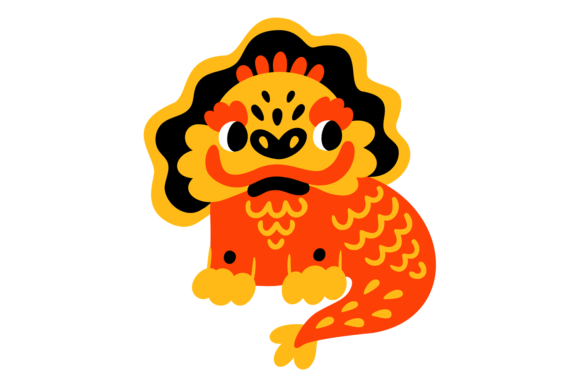
Chinese Lion. Asian Decorative Fortune Animal
The Chinese lion, often referred to as the Asian decorative fortune animal, is a powerful symbol deeply rooted in cultural traditions and artistic expression. This iconic figure, though not a real creature, holds significant meaning in Chinese culture, representing strength, protection, and good luck. Its presence in art, design, and decor makes it a versatile and meaningful element for creative projects.
What Makes the Chinese Lion Unique
The Chinese lion is more than just a representation of an animal; it's a cultural emblem that blends mythology with visual artistry. Unlike the Western lion, which is often depicted as a solitary king of the jungle, the Chinese lion is typically shown in pairs, with the male and female symbolizing balance and harmony. These figures are often seen during festivals, parades, and celebrations, where they are performed by skilled dancers who mimic the lion's movements.
As an Asian decorative fortune animal, the Chinese lion is commonly used in home and business interiors to invite prosperity and ward off negative energy. Its vibrant colors, intricate patterns, and dynamic postures make it a striking visual element that can be adapted to various design styles.
Creative Possibilities with the Chinese Lion
Designers, artists, and creators can explore numerous ways to incorporate the Chinese lion into their work. Whether through digital illustrations, traditional paintings, or modern graphic design, this symbol offers endless inspiration. Here are some practical applications:
- Interior Design: Use Chinese lion motifs in wall art, rugs, or furniture to add cultural flair and symbolic meaning to living spaces.
- Graphic Design: Integrate the lion into logos, branding materials, or promotional campaigns to evoke strength and tradition.
- Textile Art: Create custom fabric patterns featuring the Chinese lion for clothing, accessories, or home décor items.
- Public Installations: Use large-scale sculptures or murals of the Chinese lion in community spaces to celebrate cultural heritage and attract attention.
Adapting the Chinese Lion for Different Audiences
The versatility of the Chinese lion allows it to be tailored for various audiences and purposes. For example:
- Business Owners: Incorporate the lion into storefront designs or marketing materials to convey confidence and success.
- Educators: Use the lion as a teaching tool to introduce students to Chinese culture, symbolism, and art history.
- Artists: Experiment with different styles—such as abstract, minimalist, or traditional—to express personal interpretations of the symbol.
- Entrepreneurs: Develop products like jewelry, home décor, or digital assets featuring the Chinese lion to tap into niche markets.
Practical Tips for Effective Use
To ensure the Chinese lion remains a meaningful and effective design element, consider the following tips:
- Understand the Symbolism: Research the cultural significance of the Chinese lion to use it authentically and respectfully.
- Balance Aesthetics and Meaning: Choose designs that align with your project’s goals while maintaining visual appeal.
- Keep It Consistent: Use the lion in a way that complements other design elements without overwhelming the overall composition.
- Engage Your Audience: Explain the meaning behind the lion to deepen its impact and connection with viewers.
Realistic Examples and Recommendations
Here are some real-world examples of how the Chinese lion can be applied effectively:
- Restaurant Branding: A restaurant owner might use a stylized Chinese lion in their logo to suggest hospitality, strength, and cultural authenticity.
- Home Décor: A designer could create a series of prints featuring the lion in different color schemes to suit various interior styles.
- Marketing Campaigns: A company launching a new product could feature the lion in their campaign visuals to evoke a sense of power and tradition.
- Online Content: A blogger or influencer might share images of the Chinese lion with explanations of its cultural importance to engage their audience.
Conclusion: Embracing the Chinese Lion in Creative Work
The Chinese lion, as an Asian decorative fortune animal, offers a rich source of inspiration for creators across industries. By understanding its cultural roots and exploring its visual potential, designers, marketers, and artists can harness its symbolic power to enhance their work. Whether used in traditional or modern contexts, the Chinese lion remains a compelling and effective icon that connects people to heritage, creativity, and meaning.