Decorative Bells for Creative and Practical Use
Decorative bells are more than just ornamental pieces; they serve as functional and aesthetic elements in a variety of settings. From home decor to commercial spaces, these items can add character, sound, and visual appeal. Whether you're looking to enhance your living space or find a unique tool for your business, decorative bells offer a range of possibilities.
Understanding Decorative Bells
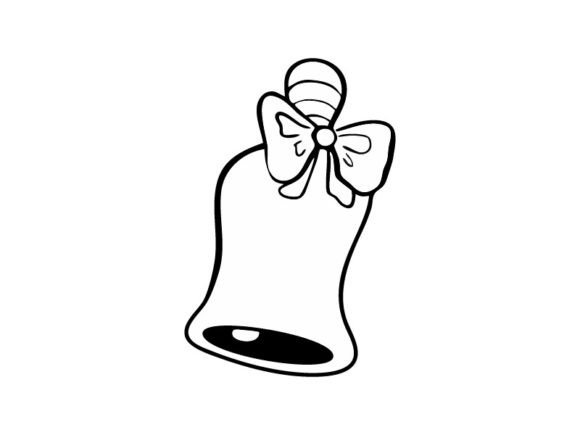
Decorative bells come in many forms, from traditional metal chimes to modern, minimalist designs. They are often crafted from materials like brass, copper, or even wood, and can be shaped into various styles—some resembling classic church bells, others more abstract or whimsical. These bells are typically used for their visual impact, but they also produce soft, pleasant sounds when moved or touched.
When it comes to digital design, decorative bells are often represented in EPS, JPG, PNG, and SVG file formats. These files allow designers to incorporate bell imagery into graphics, logos, and illustrations without needing to create them from scratch. This makes them valuable tools for artists, graphic designers, and content creators looking for high-quality, scalable assets.
Real-World Applications of Decorative Bells
In home environments, decorative bells can be used to add a touch of elegance or charm. Hanging them near windows or doors can create a subtle, ambient sound that enhances the atmosphere of a room. For example, a set of small, delicate bells placed on a window ledge might provide a gentle chime with every breeze, offering both visual and auditory pleasure.
For businesses, decorative bells can serve as branding tools. Retail stores, cafes, and boutique shops often use bells to create a welcoming ambiance. A shop entrance with a custom-designed bell can signal to customers that they’ve arrived at a unique destination. In some cases, these bells are also used as part of customer service interactions, such as signaling when a staff member is available.
In event planning, decorative bells can be incorporated into themes or decorations. Weddings, festivals, and cultural events often feature bells as symbols of celebration or tradition. For instance, a wedding venue might use large, ornate bells as centerpieces or hanging accents to reinforce a theme of elegance and joy.
Who Benefits from Decorative Bells?
Artists and designers benefit from decorative bells by using them as inspiration or reference points in their work. Whether creating a painting, a sculpture, or a digital illustration, the form and texture of a bell can spark creativity. Graphic designers, in particular, may seek out EPS or SVG files to integrate into their projects, ensuring consistency and quality in their visual output.
Homeowners and interior decorators find value in decorative bells as statement pieces. A well-placed bell can become a focal point in a room, drawing attention and adding a sense of refinement. For those who enjoy DIY projects, crafting or customizing bells can be a rewarding activity that combines artistry with practicality.
Business owners and marketers can use decorative bells to enhance their brand identity. A unique bell design can become a signature element of a store’s appearance, helping to differentiate it from competitors. Additionally, bells can be used in promotional materials, such as logos or packaging, to create a memorable visual presence.
Considerations Before Using Decorative Bells
Before incorporating decorative bells into your space or project, consider the environment where they will be placed. Factors like noise levels, weather exposure, and maintenance needs should be taken into account. For outdoor use, bells made from durable materials are essential to withstand the elements.
Another consideration is the purpose of the bells. Are they primarily for visual appeal, or do you want them to function as a sound source? Some bells are designed to be struck, while others are meant to be hung and moved gently. Understanding the intended use will help you choose the right type and placement.
For digital applications, ensure that the file format you select meets your project’s requirements. EPS and SVG files are ideal for scalable designs, while JPG and PNG formats are better suited for web use or static images. Always verify the resolution and quality of the files to avoid pixelation or distortion.
Strengths and Limitations of Decorative Bells
One of the main strengths of decorative bells is their versatility. They can be adapted to fit different styles, from rustic to modern, and used in a wide range of contexts. Their ability to blend aesthetics with functionality makes them a popular choice across industries.
However, there are limitations to consider. Not all decorative bells are suitable for every setting. For example, a large, heavy bell might not be appropriate for a small apartment, and a bell that produces loud sounds could be disruptive in certain environments. It's important to match the bell's characteristics to its intended use.
Additionally, while decorative bells can enhance a space, they should not be overused. Too many bells in one area can create visual clutter or excessive noise. Striking a balance between style and practicality is key to achieving the desired effect.