Floral Design: The Art of Beauty and Expression
Floral design is more than just arranging flowers; it is a form of decorative art that combines creativity, aesthetics, and symbolism. Whether you're an aspiring florist, a hobbyist, or simply someone who appreciates the beauty of nature, understanding floral design can open up new ways to express yourself and enhance your environment. In this article, we will explore the world of floral design, its significance, and how it fits into modern life.
What Is Floral Design?
Floral design refers to the practice of arranging flowers and other natural elements to create visually appealing compositions. This art form has been around for centuries and is used in various settings, from weddings and events to home decor and commercial spaces. At its core, floral design is about balance, color, texture, and form, all working together to evoke emotions and convey messages.
While some may think of floral design as simply placing flowers in a vase, it involves much more. It requires knowledge of different flower types, their meanings, and how they interact with each other. A well-designed arrangement can transform a space, making it more inviting, elegant, or festive.
The Purpose and Significance of Floral Design
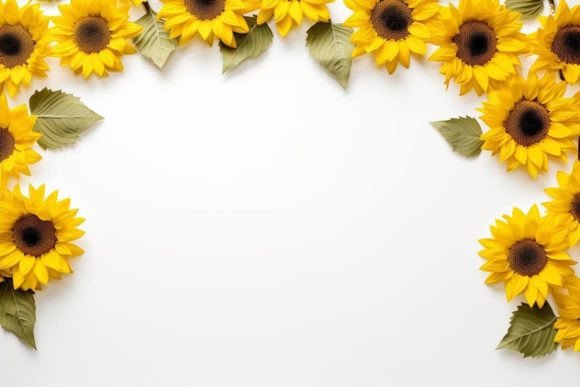
Floral design serves multiple purposes, both practical and emotional. One of its primary functions is to beautify environments. Whether it's a bouquet on a dining table or a large centerpiece at an event, flowers add color, fragrance, and life to any setting. They also play a role in communication, as different flowers carry specific meanings. For example, roses symbolize love, lilies represent purity, and sunflowers signify happiness.
In addition to aesthetics, floral design has cultural and symbolic importance. Many traditions and rituals involve the use of flowers, such as weddings, funerals, and religious ceremonies. These arrangements often reflect the values, beliefs, and emotions of the people involved. By understanding these meanings, floral designers can create arrangements that resonate deeply with their clients.
Floral Design in Modern Life
In today’s fast-paced world, floral design has found its place in various aspects of daily life. From office spaces to retail stores, flowers are used to create welcoming atmospheres and enhance customer experiences. Businesses often use floral arrangements to make their environments more appealing, which can lead to increased sales and customer satisfaction.
Floral design is also becoming increasingly popular in home decor. More people are choosing to incorporate fresh flowers into their living spaces, not only for their beauty but also for their ability to improve mood and well-being. Studies have shown that being surrounded by flowers can reduce stress and increase feelings of happiness.
Floral Design in Business and Education
For businesses, floral design can be a valuable tool for branding and marketing. Restaurants, hotels, and boutiques often use floral arrangements to create a cohesive aesthetic that aligns with their brand identity. Additionally, floral design is used in corporate events, trade shows, and product launches to make a lasting impression on attendees.
In education, floral design is sometimes taught as part of art or horticulture programs. Students learn about the principles of design, color theory, and the symbolism of different flowers. This knowledge can be applied in various creative fields, such as event planning, interior design, and even fashion.
How to Get Started with Floral Design
If you're interested in exploring floral design, there are several ways to begin. One of the best ways is to take a class or workshop, where you can learn the basics of flower selection, arrangement techniques, and color coordination. Many community colleges, art centers, and online platforms offer courses tailored to beginners and advanced learners alike.
Another way to get started is by experimenting at home. You don’t need to be an expert to create beautiful arrangements. Start with simple bouquets using flowers you already have, and gradually try more complex designs. Don’t be afraid to mix and match different textures and colors to find what works best for you.
Common Misconceptions About Floral Design
There are several misconceptions about floral design that can discourage people from trying it. One common belief is that it requires expensive tools and materials. While professional florists do use specialized equipment, many basic arrangements can be created with simple supplies like vases, scissors, and floral tape.
Another misconception is that floral design is only for special occasions. While it’s true that flowers are often used for weddings, birthdays, and holidays, they can also be incorporated into everyday life. A small bouquet on your desk or a single stem in a glass can bring a touch of beauty to your routine.
The Role of Technology in Floral Design
Technology has had a significant impact on the floral design industry. Online platforms now allow customers to order custom arrangements from anywhere in the world. Social media has also played a role in popularizing floral design, with platforms like Instagram and Pinterest showcasing stunning arrangements and inspiring new trends.
Additionally, advancements in preservation techniques have made it possible to create long-lasting floral arrangements. Dried flowers, silk arrangements, and preserved petals are becoming more popular, especially for those who want the beauty of flowers without the maintenance.
Conclusion: Embracing the Beauty of Floral Design
Floral design is a versatile and rewarding art form that offers something for everyone. Whether you’re looking to enhance your home, start a business, or simply enjoy the process of creating, there are countless opportunities to explore. By understanding the purpose, significance, and practical applications of floral design, you can appreciate its value in both personal and professional settings.
As you continue to learn and grow in this field, remember that the key to successful floral design lies in creativity, attention to detail, and a deep appreciation for the natural world. So, pick up a vase, choose your favorite flowers, and let your imagination bloom.
If you enjoyed this article, please leave a review and follow us for more insights into the world of decorative art and floral design. ⭐⭐⭐