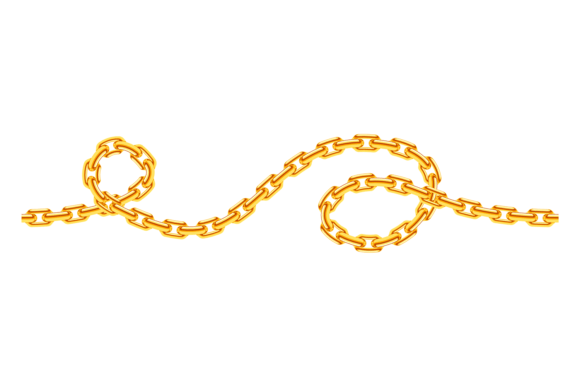
Seamless Golden Chain. Curved Jewelry. D
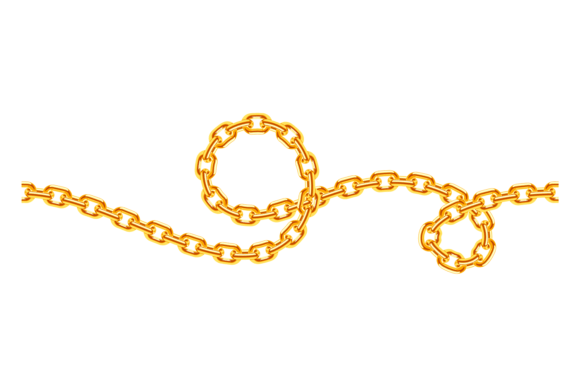
Seamless Golden Chain. Curved Jewelry. D is a versatile design element that blends elegance with functionality. It represents a unique approach to creating decorative ornaments, particularly in the realm of jewelry and visual arts. This design concept is ideal for professionals, creators, and entrepreneurs who seek to incorporate high-quality, visually striking elements into their work. Whether used in digital design, print media, or physical products, Seamless Golden Chain. Curved Jewelry. D offers a seamless integration into various workflows.
The term "seamless" implies continuity and precision, making it an essential feature for designers who require clean, repeatable patterns. The curved nature of the chain adds a dynamic flow, enhancing the aesthetic appeal without compromising structural integrity. This combination makes it suitable for a wide range of applications, from fashion accessories to graphic design assets.
Where Seamless Golden Chain. Curved Jewelry. D Fits in a Broader Process
In creative and business workflows, Seamless Golden Chain. Curved Jewelry. D can serve as a foundational element during the planning, execution, and finalization stages. For instance, in product development, it may be used to create prototypes or visual mockups before production begins. In marketing, it can be incorporated into branding materials to maintain a consistent visual identity.
During the implementation phase, this design element can be used to enhance user interfaces, web graphics, or packaging. Its adaptability allows it to fit into different formats, such as EPS, JPG, SVG, and transparent PNG. This flexibility ensures that it remains relevant across multiple platforms and mediums.
After a project is completed, Seamless Golden Chain. Curved Jewelry. D can still play a role in quality control and consistency checks. By maintaining a uniform design language, it helps reinforce brand recognition and user experience across all touchpoints.
How to Use Seamless Golden Chain. Curved Jewelry. D in Your Workflow
Integrating Seamless Golden Chain. Curved Jewelry. D into your workflow requires careful consideration of compatibility, usability, and efficiency. Before incorporating it into a project, assess how it aligns with your existing design systems or branding guidelines. This ensures that it complements rather than conflicts with other elements.
For digital designers, using Seamless Golden Chain. Curved Jewelry. D in vector formats like SVG allows for scalable and editable designs. This is particularly useful when working on responsive web layouts or mobile app interfaces. For print-based projects, high-resolution JPG or EPS files provide the necessary clarity and detail.
When working with transparent PNGs, consider the background context where the design will be placed. A seamless golden chain can add a subtle yet luxurious touch to any composition, whether it’s a website header, social media post, or product image.
Interactions with Other Tools and Resources
Seamless Golden Chain. Curved Jewelry. D works well with other design tools and resources, such as graphic editors, 3D modeling software, and content management systems. For example, when designing a custom piece of jewelry, you can use this element as a base template and then modify it to suit specific requirements.
It also integrates smoothly with collaborative platforms like Figma, Adobe Creative Cloud, or Canva. These tools allow teams to share and edit designs in real time, ensuring that everyone involved has access to the latest version of the asset. This streamlines the creative process and reduces the risk of inconsistencies.
When combined with typography, color schemes, and layout structures, Seamless Golden Chain. Curved Jewelry. D enhances the overall visual hierarchy. It can act as a focal point or a subtle accent, depending on the desired effect. This adaptability makes it a valuable resource for both individual creators and larger teams.
Practical Implementation Tips
To maximize the effectiveness of Seamless Golden Chain. Curved Jewelry. D, start by organizing your design assets properly. Store different file types (EPS, JPG, SVG, PNG) in clearly labeled folders so that they are easy to locate and access. This improves workflow efficiency and reduces time spent searching for the right file.
Before finalizing a design, test it in different contexts. For example, if you’re using it in a website header, ensure that it looks good on both desktop and mobile devices. If it’s part of a product label, check that it remains visible against various backgrounds.
Consider the long-term use of the design element. If you plan to reuse it across multiple projects, make sure it’s adaptable and scalable. This might involve adjusting its size, color, or orientation to fit different needs without losing its original appeal.
Workflow Examples and Observations
A common use case for Seamless Golden Chain. Curved Jewelry. D is in the creation of luxury fashion accessories. Designers can use it as a base for necklaces, bracelets, or earrings, adding unique textures or gemstones to differentiate their products. This approach saves time while maintaining a high level of quality and consistency.
Another scenario involves marketing campaigns. By incorporating this design element into social media visuals, email templates, or promotional banners, brands can create a cohesive look that reinforces their identity. This is especially effective for businesses targeting a premium audience.
For educators or content creators, Seamless Golden Chain. Curved Jewelry. D can be used to illustrate concepts related to design principles, symmetry, or craftsmanship. It serves as a tangible example of how form and function intersect in artistic expression.
Factors to Consider for Long-Term Use
When planning to use Seamless Golden Chain. Curved Jewelry. D over an extended period, consider factors such as file maintenance, version control, and updates. As design trends evolve, you may need to refine or rework the asset to keep it relevant and appealing.
Ensure that your team or collaborators understand how to use and modify the design. Providing clear documentation or tutorials can help prevent errors and streamline the implementation process. This is especially important if multiple people are working on the same project or asset.
Finally, evaluate the performance of the design element in real-world scenarios. Gather feedback from users, clients, or stakeholders to identify areas for improvement. This ongoing evaluation helps maintain the quality and effectiveness of the design over time.