Sewing Junk Journal Pages
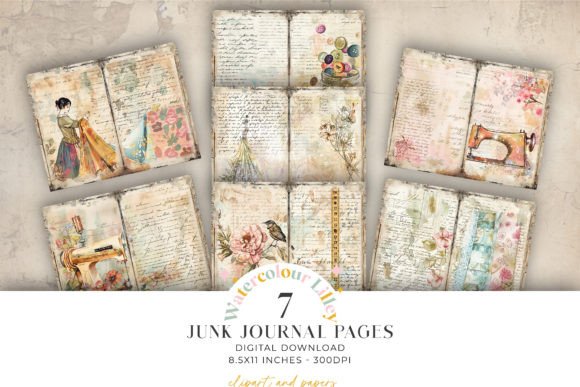
Creating a junk journal can be a delightful way to express creativity and preserve memories. Sewing Junk Journal Pages offer a unique blend of vintage charm and practical design, making them ideal for those who love crafting with a nostalgic twist. These pages are designed with shabby chic aesthetics, featuring intricate patterns and vintage sewing machine illustrations that add a touch of elegance to any project.
The visual characteristics of Sewing Junk Journal Pages are both eye-catching and versatile. The designs often incorporate soft pastel colors, delicate borders, and ornate details that evoke a sense of nostalgia. This style is perfect for those looking to infuse their journals with a personal touch while maintaining a cohesive look. The overall appeal lies in the ability to mix and match different elements, allowing for endless creative possibilities.
Where to Use Sewing Junk Journal Pages
Sewing Junk Journal Pages are not limited to just journaling. They can be used across a variety of creative projects, including branding, marketing, publishing, and digital design. For instance, in editorial design, these pages can serve as a backdrop for articles or features that require a vintage feel. In packaging design, they can add a unique element that sets a product apart from competitors.
In web design, Sewing Junk Journal Pages can be utilized to create visually appealing landing pages or blog posts that resonate with a specific audience. Social media graphics can also benefit from these pages, as they provide a consistent visual theme that enhances brand recognition. For logo design, the vintage elements can inspire a retro aesthetic that appeals to a broad range of consumers.
Impact on Readability and Brand Perception
The choice of font plays a crucial role in the overall readability and visual hierarchy of any design. When using Sewing Junk Journal Pages, it's essential to consider how the font interacts with the existing elements. A well-chosen font can enhance the legibility of text while complementing the vintage style of the pages.
For brand perception, the use of Sewing Junk Journal Pages can convey a sense of authenticity and craftsmanship. This is particularly important for small business owners and entrepreneurs who want to establish a strong brand identity. Consistency in design elements, including fonts, helps build trust and recognition among the target audience.
When evaluating the fit of Sewing Junk Journal Pages for a project, it's important to test different font pairings. This ensures that the chosen font works harmoniously with other design elements. Additionally, reviewing the included styles can help in determining which fonts best suit the intended application. Readability considerations should always be a priority, as even the most aesthetically pleasing font can be ineffective if it hinders comprehension.
Practical Guidance for Choosing the Right Font
Choosing the right font involves more than just selecting a visually appealing option. It requires an understanding of the project's goals and the audience it aims to engage. For example, a script font might be suitable for a personal journal, while a sans serif font could be more appropriate for a professional setting.
When considering commercial licensing, it's important to ensure that the font can be used without restrictions. This is especially relevant for designers and publishers who may need to incorporate the font into multiple projects. Understanding the licensing terms can prevent potential legal issues down the line.
Realistic examples can help illustrate the effectiveness of Sewing Junk Journal Pages in different contexts. For instance, a blogger might use these pages to create a themed post that aligns with their brand's aesthetic. A small business owner could incorporate the pages into their packaging design to create a memorable unboxing experience for customers.
Enhancing Design Assets with Sewing Junk Journal Pages
Incorporating Sewing Junk Journal Pages into a design asset library can significantly enhance the overall quality of a project. These pages provide a rich source of inspiration, offering a variety of elements that can be adapted to different needs. Whether used for editorial design or social media graphics, the versatility of these pages makes them a valuable addition to any designer's toolkit.
For content creators, the use of Sewing Junk Journal Pages can add a unique dimension to their work. By integrating these pages into their content, they can create a more engaging and visually appealing experience for their audience. This can lead to increased engagement and a stronger connection with followers.
Ultimately, the key to successfully using Sewing Junk Journal Pages lies in understanding the project's requirements and the audience's preferences. By taking the time to evaluate different options and test various combinations, designers can create a final product that is both functional and aesthetically pleasing. With the right approach, Sewing Junk Journal Pages can become a powerful tool in any creative endeavor.